Quick answer: Sanding a drywall ceiling after joint compound or filler requires fully cured material, the correct sanding method and control of dust. An electric wall-and-ceiling sander can suit larger work, while a manual pad is better for edges and small repairs. Confirm abrasive diameter, hole pattern and attachment before buying; those specifications are not verified for every model.
Browse sanding tools. All linked items are separate listings, not a package deal; check compatibility before ordering.
Real products matched to the task
When is an electric drywall sander useful?
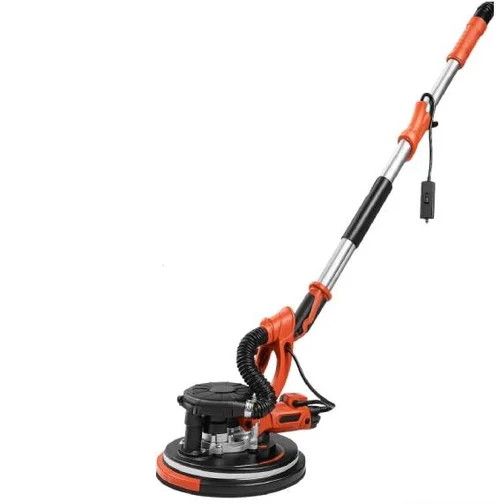
Electric sanding equipment can be effective for a larger compatible ceiling area when compound has fully cured. A manual sanding pad offers better control near edges and small repairs. MBMC's listing does not confirm a motor wattage, exact sanding-disc diameter or built-in vacuum specification, so do not select accessories by guesswork.
Buying the correct sanding abrasive
Verify disc size, fastening mechanism and any dust-extraction hole pattern for the actual tool. Choose abrasive grit according to the filler manufacturer's guidance. Grades 120, 180 and 220 appear in the store catalog but are not currently published for online checkout; they are reference options, not purchasable linked products in this article.
Preparing the ceiling for sanding
Allow the filler or joint compound to set and dry fully. Inspect joints and fastener heads, remove major ridges carefully with a finishing knife, prepare dust protection and suitable ventilation, and test the sander on a limited area. Work with appropriate pressure, then remove dust before primer and paint.
Do you still need manual sanding?
Often yes, for selected corners, edges and tiny corrections. A small repair may need only a manual tool, while repeated large areas may justify the electric option. Avoid damaging the gypsum liner by excessive pressure or coarse abrasives.
Dust collection and safety
Sanding dust can be hazardous. Check the supplied dust-control accessories; do not assume a vacuum system is included. Use appropriate respiratory and eye protection, and secure access to overhead work. Protect electrical fittings and surrounding materials.
Build the list for the actual project
For larger jobs, assess the electric sander and its compatible abrasives; for detail work, consider the manual option. Add protective sheeting and a finishing knife only when needed. Linked products are sold individually.
Frequently asked questions
Should I use 120 or 220 grit after filler?
Follow the compound manufacturer's recommended finish and the surface condition; there is no universal choice.
Does the electric sander include a vacuum?
The available listing does not confirm the full accessories. Check the package contents before ordering.
Can I sand immediately after applying filler?
No. Wait for the material's specified cure and dry time.
Shop the appropriate tools
Identify job requirements and open each listing to verify specs, online availability and delivery coverage. Browse sanding tools.
Related articles: Related guide 1 · Related guide 2




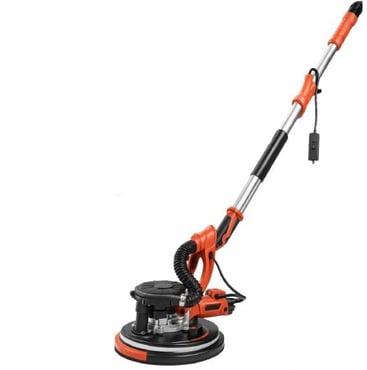 Electric Wall & Ceiling Sander | Drywall & Putty Sanding Machine
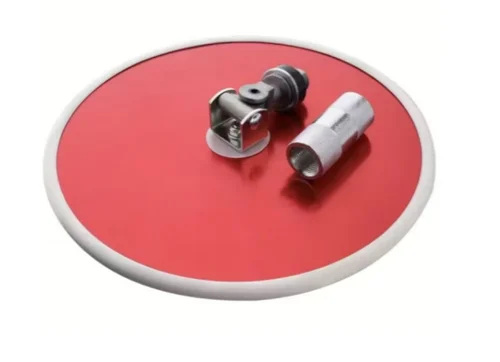
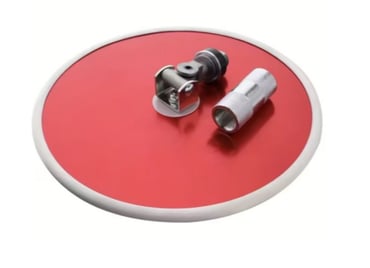 Manual Wall & Ceiling Sander 9 Inch 360° for Drywall and Putty
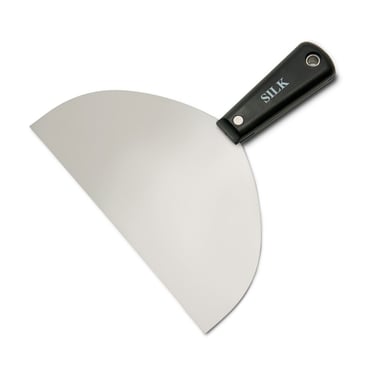 Silk Plus Wide Stainless Steel Putty Knife 8 Inch Black Handle
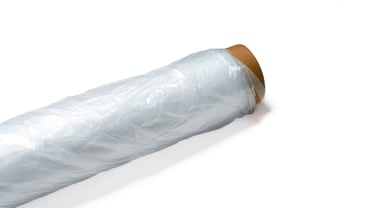 مشمع نايلون 300 مقاس 4*10
 Painting & Decoration Tools