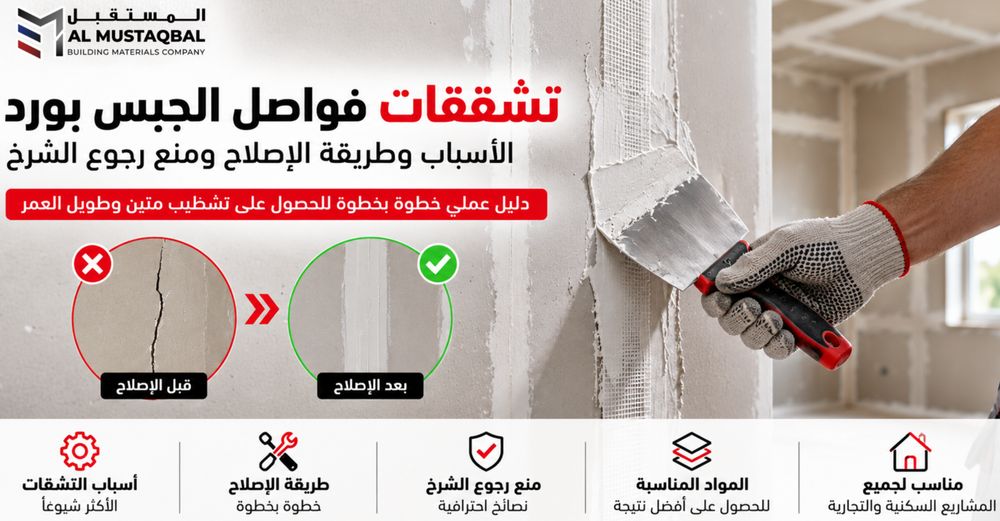
Quick answer: Drywall joint cracks can result from board or framing movement, loose fasteners, inadequate joint reinforcement or poorly embedded tape. Effective repairs start by investigating the underlying cause, removing failed material and embedding compatible joint tape in the specified compound before finishing and repainting.
Why Do Drywall Joints Crack?
Common contributing factors include movement, uneven framing, incorrect fastener installation, insufficient compound under joint tape, moisture changes and unsuitable finishing practices. Repeated or widening cracks deserve investigation rather than another cosmetic coat.
Drywall Joint Crack Troubleshooting
Symptom | Possible issue | Approach |
|---|
Straight crack along a board seam | Failed tape or board movement | Inspect fasteners and joint reinforcement |
Blistered joint tape | Insufficient compound beneath tape | Remove loose material and re-embed compatible tape |
Crack repeatedly returning | Continued framing movement | Address movement before cosmetic repair |
Fastener pops | Board movement or fastening issues | Check approved fastening detail |
Wall-to-ceiling crack | Differential movement | Review approved junction details |
How to Repair a Cracked Drywall Joint
- Inspect the crack for movement, dampness and sagging.
- Check framing and screw fixing against the approved system.
- Remove loose or blistered tape and unsound compound.
- Apply the specified joint compound and embed approved paper tape or other compatible reinforcement.
- Let each coat set or dry as instructed. Apply progressively wider finishing coats.
- Sand carefully, prime and repaint once conditions permit.
Fire-rated and acoustic assemblies may require special materials and documented repair details. Do not assume a cosmetic patch preserves their performance.
Paper Tape vs. Mesh Tape for Drywall
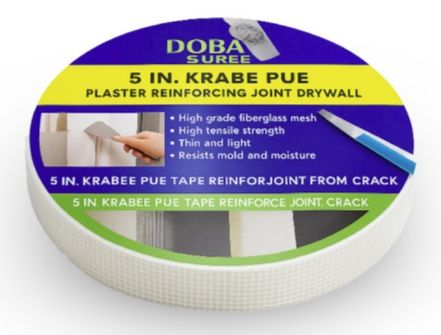
Paper tape is designed to reinforce joints and internal corners. British Gypsum identifies its Gyproc Joint Tape as a component that minimizes cracking risk in properly installed systems. Mesh products may require particular compounds; always follow the manufacturer's system, rather than assuming they are interchangeable.
Will Joint Compound Alone Stop a Crack?
Not necessarily. A joint crack linked to movement or failed reinforcement may reopen if it is simply filled with compound. Correct the cause and use the approved reinforcement system.
How to Prevent Cracks Returning
- Follow approved framing and board installation details.
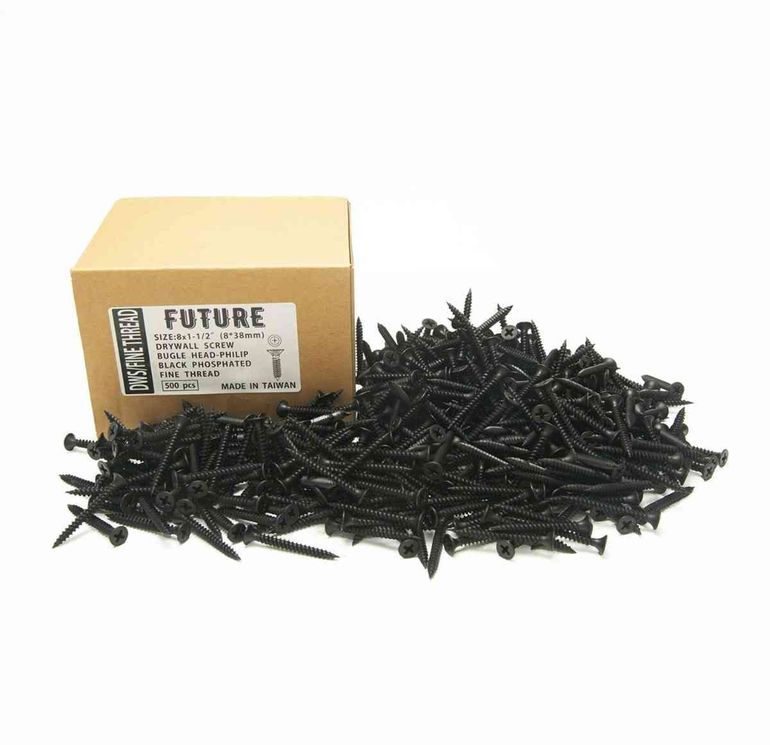
- Use correct screws and do not tear the facing paper by overdriving.
- Observe fastening spacing and movement-joint details.
- Embed tape with sufficient compatible compound and no trapped air.
- Respect drying times, humidity and temperature limits.
- Fix moisture problems or ongoing movement before refinishing.
Find Drywall Repair Supplies in Saudi Arabia
Browse gypsum board accessories, drywall screws and fixings, and metal studs and tracks at Al Mustaqbal Building Materials Store. Confirm system suitability and stock before ordering.
Frequently Asked Questions
Why does my drywall seam crack again after filling?
Framing movement or failed tape may remain uncorrected. Identify the underlying cause first.
Does paper joint tape stop every crack?
No. It reduces cracking risk within a suitable assembly, but cannot eliminate structural movement.
Why does drywall tape bubble?
One common reason is insufficient compound under the tape or poor embedding.
Can I repair the joint without removing old tape?
It depends on whether the tape is sound. Detached or blistered sections normally need removal and re-treatment.
When should I seek professional inspection?
For recurring or widening cracks, sagging, water damage or fire-rated assemblies.
Conclusion
Diagnose movement and fastening, then use the correct tape and compound to repair the seam. Explore drywall finishing supplies for your project.
Technical References
British Gypsum Joint Tape; USG FAQ.
Related Products



 Gypsum & Decorative Works