Quick answer: Wall preparation before painting includes filling defects, sanding to the filler manufacturer's guidance and protecting the floor. Compare a 6-inch putty knife with wider 40 cm tools and choose manual or electric sanding by job scale. The guide also distinguishes catalog-only sandpaper from published product listings.
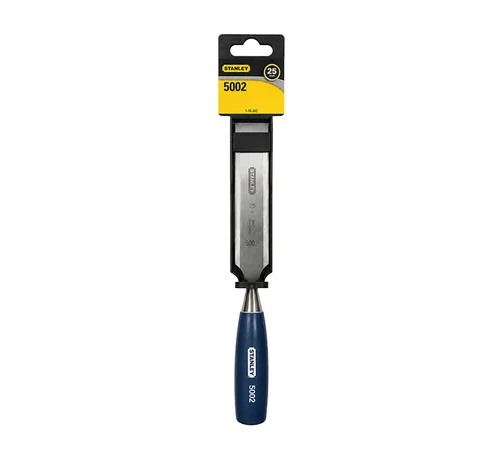
Choose tools for your job: Browse putty knives · View 6-inch putty knife. Check specifications, availability and delivery eligibility before adding to cart.
Stage-based buying checklist
A preparation-first shopping list
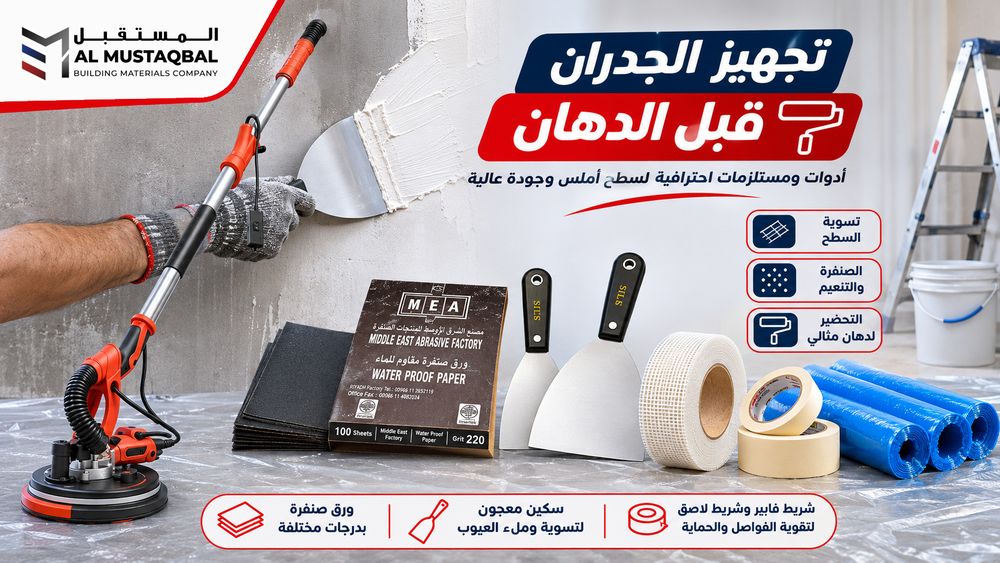
Painting over defects can leave visible ridges and patches. Cover the area, identify and repair the cause, spread compatible filler where needed, sand only after curing and clean dust before applying primer or paint.
Choose putty knife widths wisely
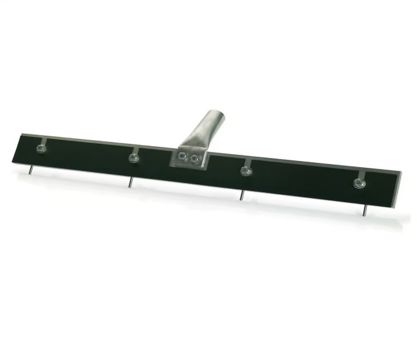
A 6-inch knife helps with smaller repairs, while a 40 cm tool spreads compatible filler across broader areas. Buy the width your job needs; two sizes are useful only if your project actually involves both detail and broad-area work.
Manual or powered sanding?
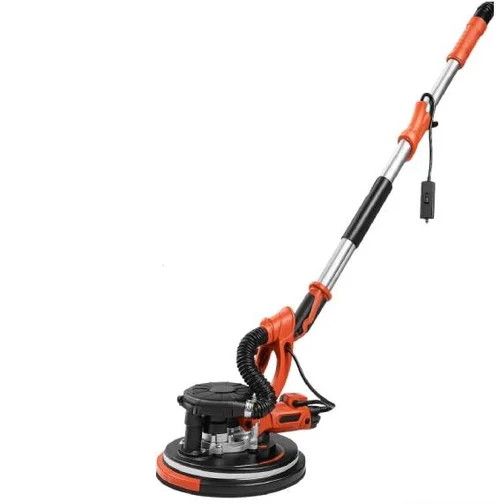
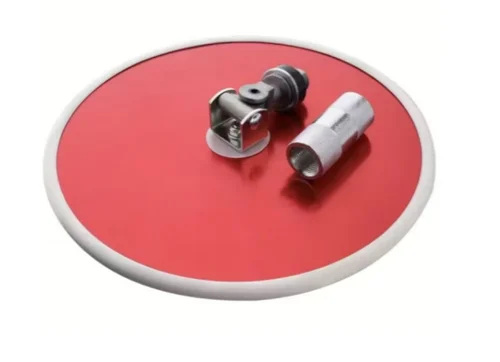
Manual sanding offers control on small patches; powered sanding can suit larger surfaces where supported by the substrate and dust-control setup. These are alternatives rather than compulsory pairings. Confirm compatible abrasive grade separately.
Floor protection and dust control
Lay appropriate floor protection before messy work, without creating trip hazards. Plastic sheeting does not replace effective dust extraction, ventilation or suitable respiratory protection. Clean residual dust before coating.
Common preparation mistakes
Avoid sanding uncured filler, using excessively aggressive abrasives, painting over moisture damage or coating dusty walls. Follow material-specific cure times and test an inconspicuous area when unsure.
Browse relevant products
Open each product to check model specifications and suitability before adding it to your cart.
Which tools should you actually buy?
- Repairs: a 6-inch putty knife suits detail work and a 40 cm knife can cover broader areas; every patch does not require both.
- Sanding: manual and powered equipment are alternatives for different work scales. Match abrasive grit to filler and substrate guidance.
- Protection: 4×10 sheeting covers nearby surfaces but does not replace dust extraction. Grit 120, 220 and 320 sheets are catalogued but not published for online checkout.
Select quantities according to the project size, team and product specifications. Open each listing to verify fit before ordering. These items are separately sold, not a fixed-price package.
Frequently asked questions
Do I need both manual and powered sanders?
No. Select based on area, substrate and compatible abrasives.
Is a 40 cm knife suitable for every crack?
Smaller details often need a narrower knife.
Does sheeting eliminate sanding dust?
No. Use proper dust control as well.
Other items in the MBMC catalog
Middle East grit-120 sandpaper (TL1-D07039), Middle East grit-220 sandpaper (TL1-D07074), and Italian grit-320 sandpaper (TL1-D07063)
These three grades are recorded in the Zid catalog but are not currently published for online purchase. Different grits are not interchangeable; select according to the surface and coating manufacturer guidance. No direct buy link is shown.
Use the listed SKU to ask MBMC about the item, without assuming it can be ordered online today.
Shop the tools that fit your job
Browse the product category, or read a related guide before choosing the right tools. Related guide.



 Painting & Decoration Tools