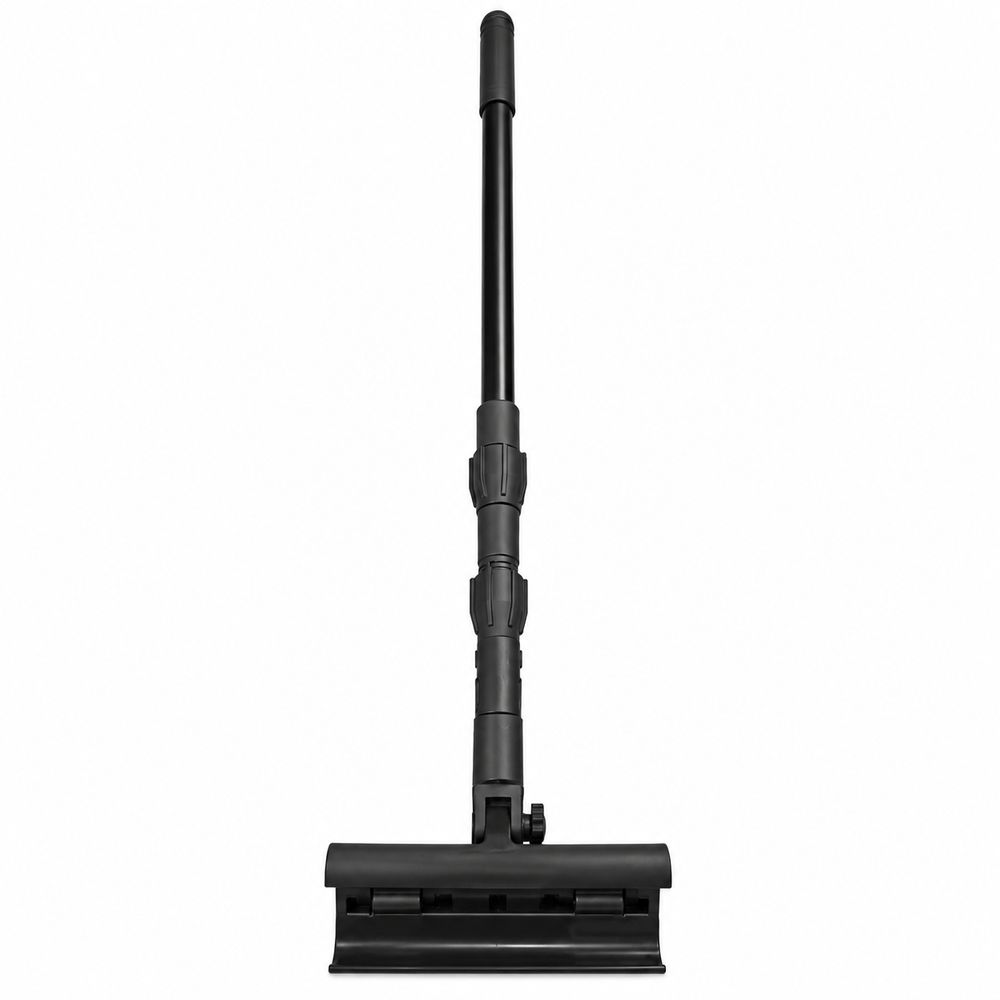
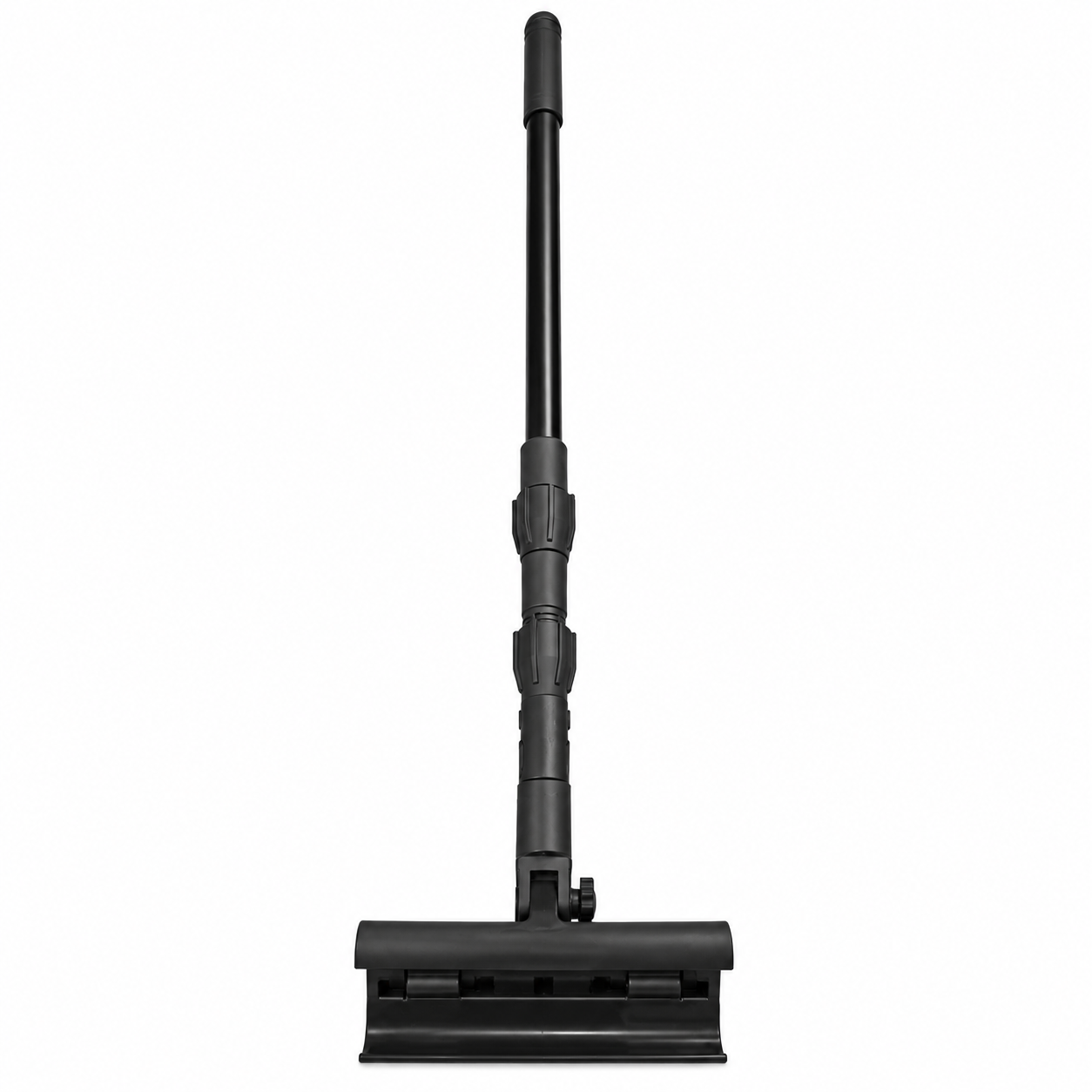
A 2-metre putty-knife extension handle can improve reach for certain high wall finishing tasks, but only with a compatible blade attachment, controlled tool weight and proper working conditions. Never improvise an unsafe connection. A stable working platform may sometimes be more appropriate than extended-reach finishing.
This guide addresses a concrete shopping decision in Saudi Arabia using actual published MBMC products and their original catalogue photos. It does not assume accessories or performance figures not specified by the manufacturer.
Using an extension handle for higher finishing areas
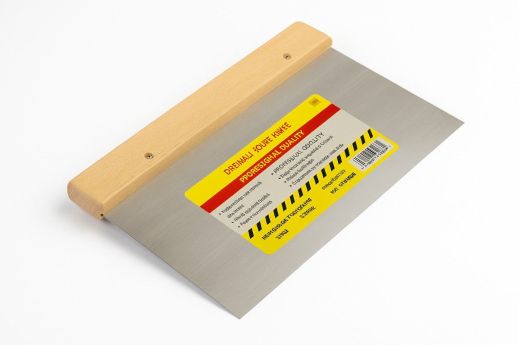
The listing states a 2-metre handle length, not guaranteed working reach. Do not assume every 10-inch putty knife fits the end. Confirm connection type and intended blade before checkout, and decide whether the work requires light finishing or firm, precise compound pressure.
Compare the exact model and SKU on Zid before buying; catalogue codes alone do not establish product performance or accessory compatibility.
Check whether the area can be reached comfortably without overextending.
Select a putty-knife width appropriate to the compound and finishing detail.
Confirm handle-to-blade attachment compatibility with the seller.
Check the connection is securely fixed and balanced before lifting.
Practice on a small accessible area before carrying compound overhead.
Use safe access equipment or a qualified finisher when the job demands greater pressure or precision.
When this option makes sense
An extension can be helpful for a limited higher patch when the user has stable control. Precision smoothing over an entire wall may be better done from safe access equipment. A 10-inch blade's width does not prove the attachment fits the pole.
Mistakes to avoid
Treating handle length as guaranteed safe work height.
Taping an incompatible blade to the pole.
Working overhead without protection against falling compound.
Attaching an overly heavy blade that reduces control.


 Painting & Decoration Tools