PVC vs Perforated Corner Tape for Drywall | Price and Buying Guide
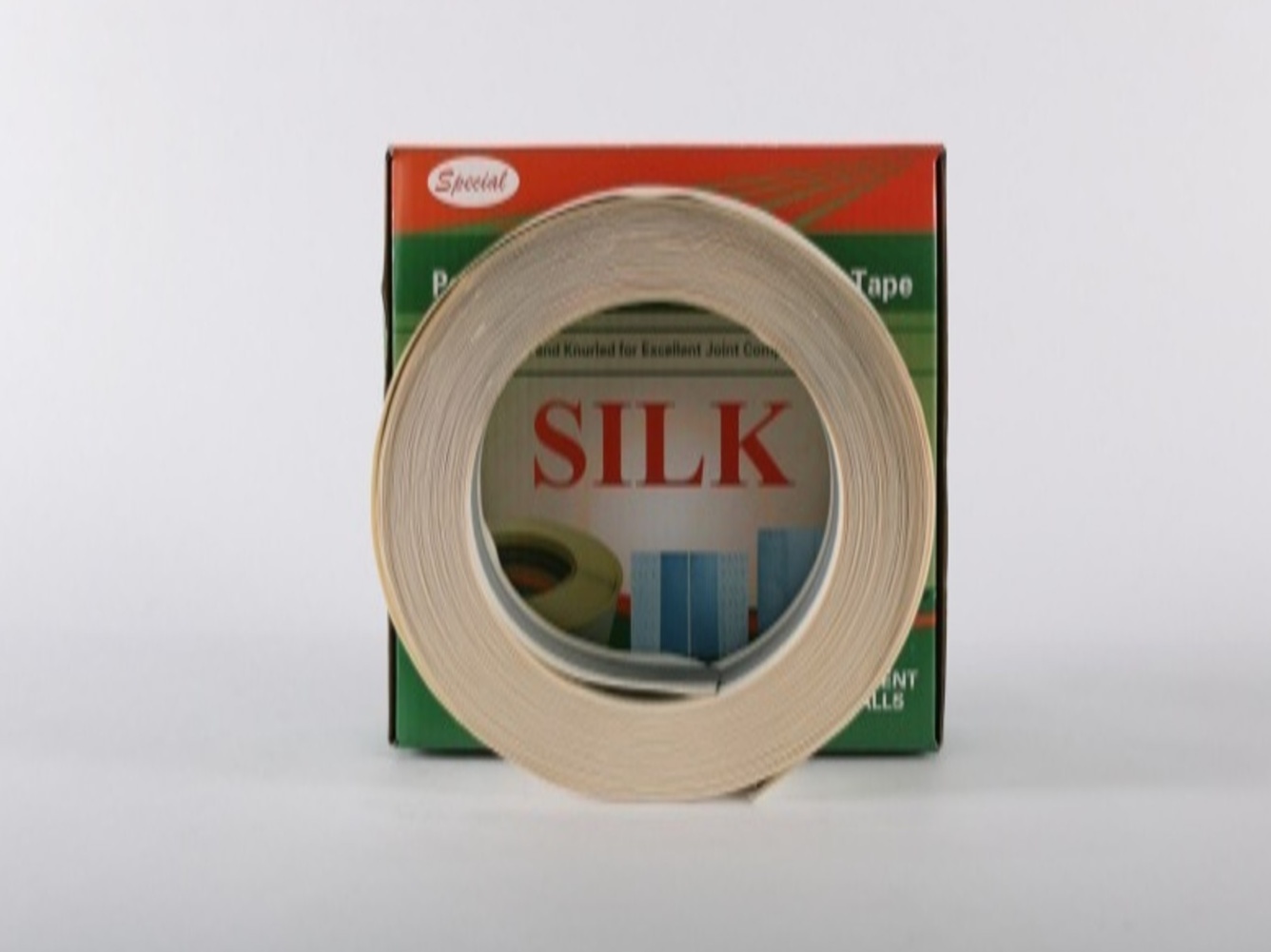
Durano adhesive PVC corner tape, 5 cm × 30 m, differs from perforated metal wire corner tape, 2 inches × 30 m. Both are sold for drywall corner finishing, but materials and fixing methods differ. Choose according to the corner geometry, joint compound system and manufacturer's installation guidance rather than treating all corner tapes as interchangeable.
This Saudi buying guide links to real published MBMC catalogue products and original product images; always check manufacturer's instructions and actual site conditions.
Reinforcing drywall corners during finishing
The adhesive PVC option uses an adhesive backing subject to surface suitability, whereas perforated wire tape interacts with joint compound around the corner. A protective corner tape is not automatically a substitute for flat-joint mesh tape used between board panels.
Confirm the installed drywall corner is straight, clean, dry and structurally sound.
Select tape material and attachment method for the corner and compound system.
Measure and cut the required length; both listed rolls are 30 m long.
Check alignment and edge straightness before final fixing.
Attach using the product's prescribed method, then apply compatible compound in recommended layers.
After curing, inspect and sand gently without exposing or damaging the reinforced edge.
Which option suits your project?
In hallways and beside doorways, consider impact exposure and finishing-system recommendations. Ceiling junctions and exposed outside wall corners can need different treatment, so do not presume one tape is universally best.
Common mistakes and how to avoid them
Applying adhesive backing to a dirty or damp substrate.
Expecting tape to fix a badly misaligned structural corner.
Building excessive compound thickness without respecting cure time.
Substituting corner tape for flat joint tape without system guidance.



 Gypsum & Decorative Works