Quick answer: No single grout joint width works for every ceramic or porcelain tile. A 1 or 1.5 mm spacer may be considered for certain dimensionally consistent, accurately edged tiles where the manufacturer and installation system allow it. A 2 or 3 mm joint may be more suitable where additional dimensional variation or design requirements must be accommodated. Never select a narrow joint only for appearance.
This guide helps Saudi tile installers, contractors and homeowners choose among 1, 1.5, 2 and 3 mm tile spacers based on tile tolerances, edge type and installation requirements.
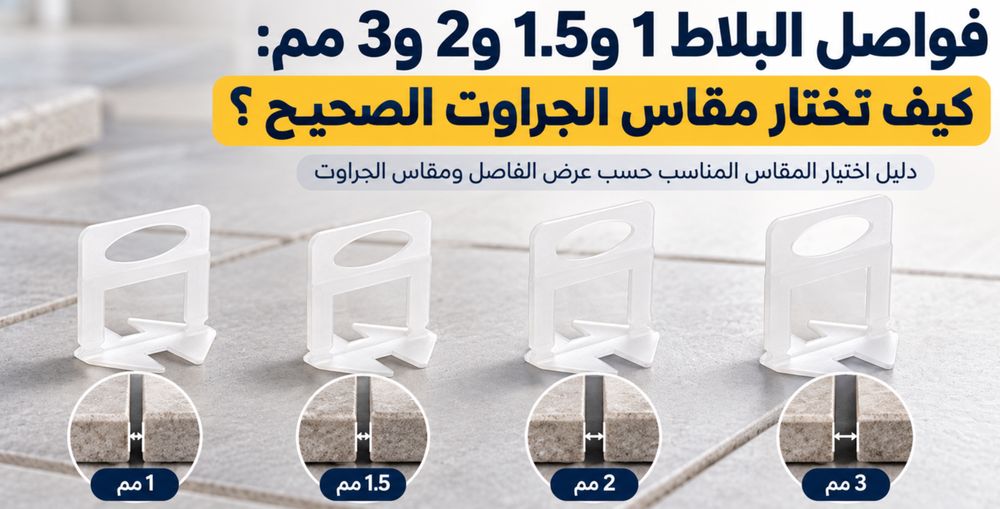
Tile Spacer Size Comparison: 1, 1.5, 2 and 3 mm
Size | Potential use | Check first |
|---|
1 mm | Selected precision-edged tiles with very limited variation | Manufacturer approval, tile dimensions and substrate flatness |
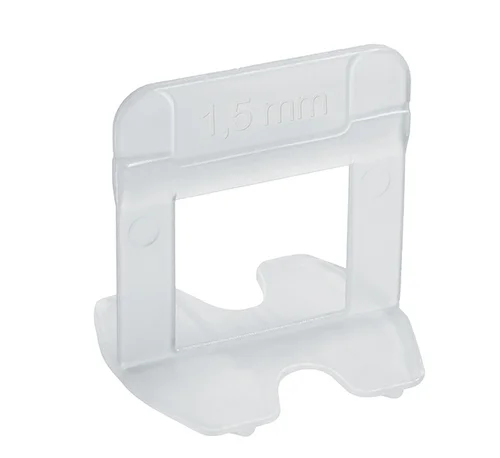
1.5 mm | Small joints with slightly more adjustment allowance | Dimensional tolerances and grout suitability |
2 mm | Small-to-medium joint applications where permitted | Edge type, dimensional spread and installation details |
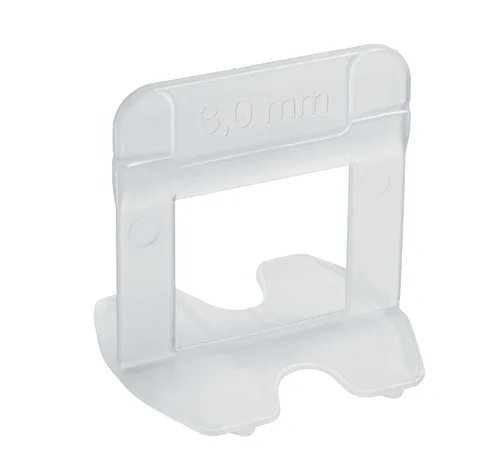
3 mm | Applications allowing a wider joint | Design intent, grout and project requirements |
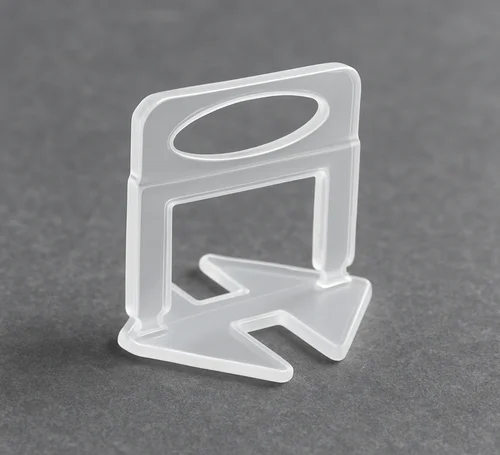
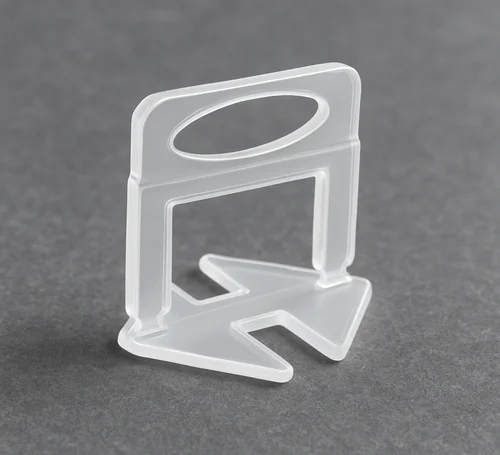
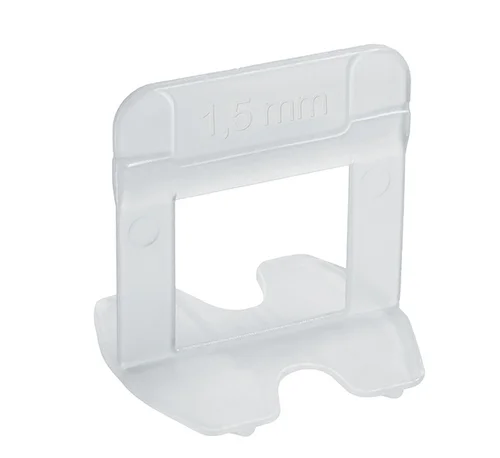
RUBI manufactures spacers in these sizes for narrow-joint tile installation. Their availability does not mean every tile installation can safely use any of them.
Are 1 mm Spacers Suitable for Porcelain Tile?
Not automatically. Rectified porcelain often offers more consistent edges and dimensions than non-rectified tile, but manufacturing tolerance, substrate flatness and movement provisions still matter. Check the tile manufacturer's minimum grout joint width and the project's installation standard before selecting 1 mm.
Rectified vs. Non-Rectified Tile: Does It Change Joint Width?
Rectified tiles have mechanically processed edges that may permit tighter joints when all installation conditions are satisfied. Non-rectified products may show greater dimensional or edge variation and therefore need more allowance. Neither category guarantees a single universal joint width.
How to Choose a Grout Joint Width
- Measure representative tiles from several boxes.
- Check length and width variation and whether edges are rectified.
- Confirm the manufacturer's minimum joint recommendation.
- Assess substrate flatness, tile format and laying pattern.
- Check grout specifications and movement-joint design.
- Carry out a small layout trial before full installation.
The Tile Council of North America identifies dimensional variation, edge irregularity, tile size, installation location and substrate flatness as important considerations. Extremely narrow joints can make dimensional differences more visible.
Tile Spacers vs. Tile Leveling Clips
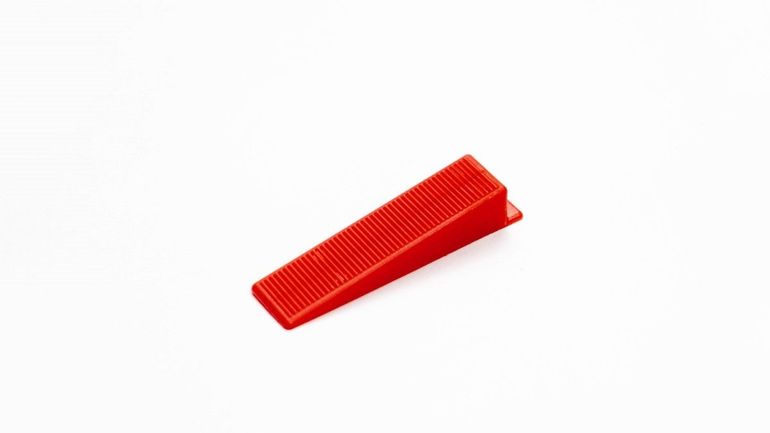
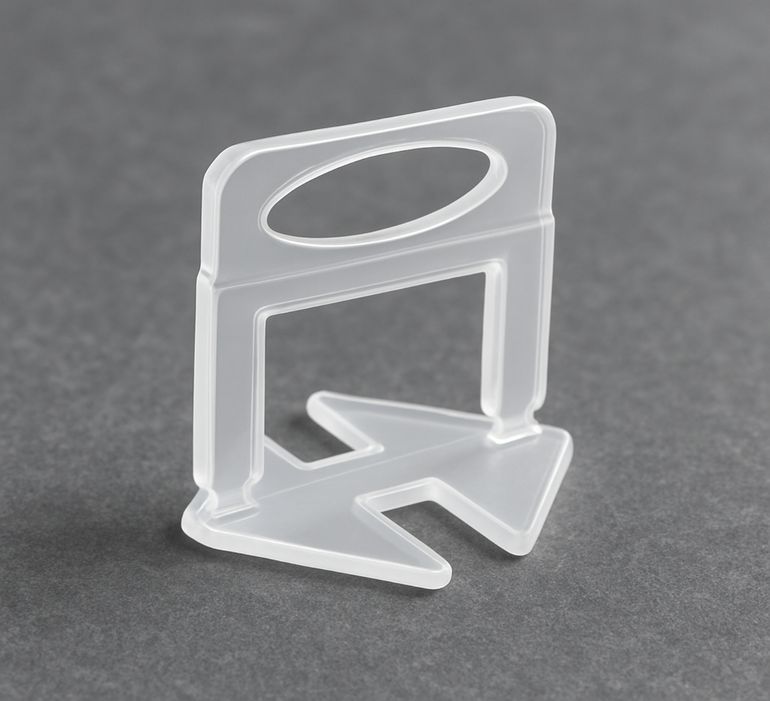
Traditional spacers set the spacing between adjacent tiles. Leveling clips and wedges are intended to help manage lippage while tile adhesive sets, according to their system requirements. Some clips incorporate a minimum joint width, but they do not replace movement joints or the need for a flat substrate.
Grout Joints vs. Movement Joints
Regular tile joints are typically filled with grout. Movement joints are separate designed provisions and may require flexible sealants or profiles. Do not assume small plastic spacers replace movement joints or fill designated movement gaps with rigid grout against the specification.
Common Spacer Selection Mistakes
- Using 1 mm joints on every tile regardless of dimensional variation.
- Mixing tiles with inconsistent sizes without planning.
- Ignoring substrate flatness and layout.
- Confusing leveling clips with grout spacing requirements.
- Removing the system too early or too late.
- Omitting designed movement joints.
Shop Tile Spacers and Installation Tools in Saudi Arabia
Compare tile leveling spacers and tile and porcelain installation tools at Al Mustaqbal Building Materials Store. Review each product's size, purpose and stock status before buying.
Frequently Asked Questions
Can porcelain tiles be installed with no gaps?
Butt-joint installation is not suitable for many systems. Follow the tile manufacturer's minimum joint and movement requirements.
Is a 1 mm or 2 mm tile spacer better?
The correct width depends on tile tolerances, substrate and manufacturer requirements. Smaller is not always better.
When should I use a 3 mm tile spacer?
When it fits the approved installation specification, dimensional variation and desired finish.
Do large-format tiles always need wider grout joints?
Not always, but they require close attention to tolerances, flatness, layout and the selected system.
Will leveling clips eliminate all lippage?
No. They can help control lippage, but cannot compensate for inadequate surface preparation or out-of-tolerance tiles.
How many tile spacers do I need?
Quantity depends on tile size, pattern, spacer design and whether a component is reusable. Use the manufacturer's calculator or the project's intersection count with a suitable allowance.
Conclusion
Select 1, 1.5, 2 or 3 mm joints based on actual tile tolerances, edge type, flatness, grout requirements and movement provisions—not appearance alone. Browse tile leveling spacers and tools for your installation.
Technical Sources
Tile Council of North America — Grout; RUBI 1 mm Spacers; RUBI 1.5 mm Spacers; RUBI 3 mm Spacers.
Related Products
Related buying guide: When to remove tile spacers before grouting — compare the right tools and accessories for the job.



 Tiles & Ceramics