Quick answer: Selecting a 1, 2, 3 or 4-inch paint brush starts with the job: narrow widths for precise trim, medium widths for doors and frames, and larger widths for suitable flat surfaces. Bristle material and shape matter just as much as width. Do not assume a blue handle or a premium label proves compatibility with water- or oil-based coatings. Compare verified MBMC listings below.
Shop paint brushes by size. Choose by task; the items are separate listings, not a fixed-price bundle.
Relevant MBMC products and their roles
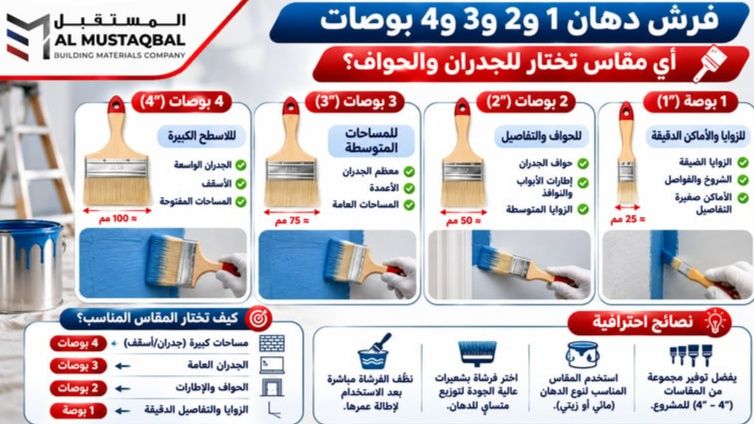
Brush-size decision table for real jobs
A 1-inch brush helps with small trim and details. A 2-inch brush suits many window and door edges. A 3-inch brush may cover larger frames, doors and cabinetry efficiently. A 4-inch brush works on suitably broad flat areas, although rollers are often faster for large walls. Width is guidance rather than a performance rating; the bristle shape and coating are decisive.
Water-based versus oil-based paint: inspect bristles
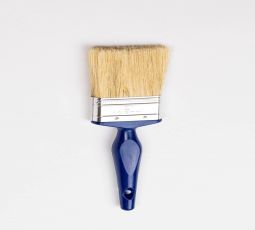
Nylon, polyester and blends typically suit water-based latex paints; natural bristles are commonly used for suitable oil-based finishes. Some synthetics also serve particular oil-based systems when specified. MBMC's listing names and handle colors do not establish fiber chemistry for every brush, so check the maker's application recommendation before deciding whether a specific blue-handle brush is water- or oil-compatible.
Angled or straight edge: which is easier to control?
Angled brushes can help cut in a clean line where the ceiling meets the wall or around trim. Straight brushes can be convenient on flat surfaces. The products shown here have known sizes, but their names do not guarantee an angled cut: confirm the product photos and any manufacturer specifications rather than making a visual assumption. A mini roller is a separate option for adjacent open sections.
Five checks before adding a brush to cart
Verify coating type, trim width, bristle material, end shape and comfortable handle control. Do not take a premium label or higher price as independent proof of coating compatibility. Choose the one size most relevant to your first job; add a second brush only when another area genuinely needs it. Check price and online shipping availability on the listing itself.
Small job versus complete room: different buying lists
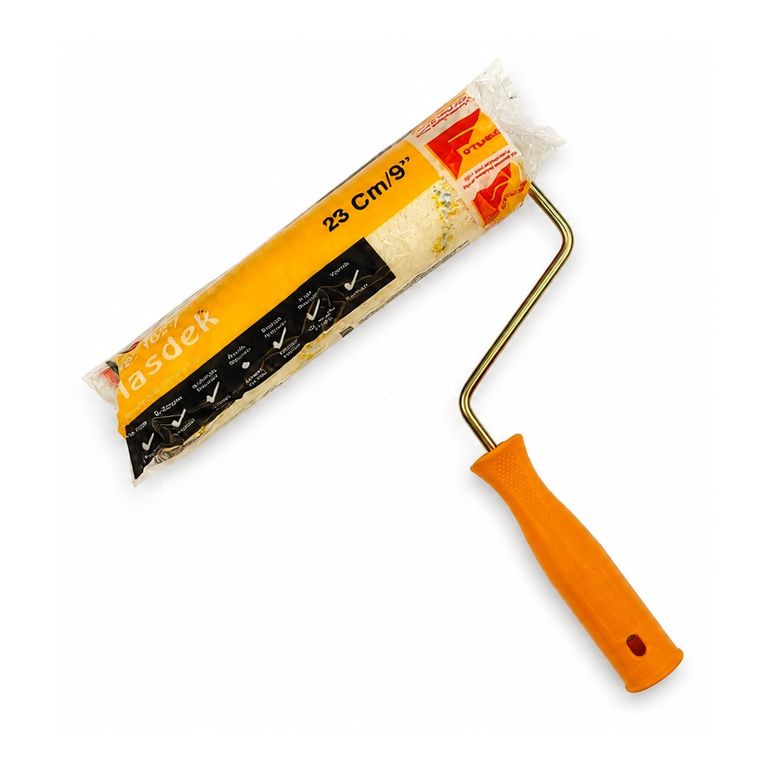
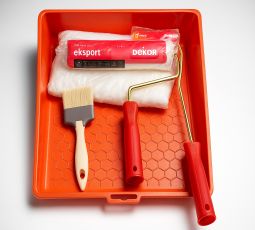
For door edges, one appropriate small or mid-width brush may be enough. For a room, consider a compatible roller for large walls, an edging brush and protective covers; the roller and tray are separate products. For ceiling painting, compare a suitable extension pole. Nothing in this guide represents a fixed-price bundle.
Avoid bristle marks and excess paint
Overloading the brush, working with unsuitable fibers, failing to clean dusty surfaces and leaving a wet edge to dry before connecting the adjacent section can damage the finish. Adjust technique and tool compatibility instead of buying the broadest brush available.
Questions before purchase
Is a 2-inch brush better than a 4-inch brush?
A 2-inch brush often gives better trim control, while 4 inches may cover suitable flat surfaces more quickly.
Does a blue handle mean the brush is for water-based paint?
No. Verify the actual bristle material and coating instructions.
Do I need all four brush sizes?
Usually not. Choose only the dimensions required for distinct areas.
When should I use a roller instead?
Use a compatible roller for broad surfaces and a suitable brush around edges and detailed trim.
Shop by project fit
Confirm your technical requirement, then compare product specifications, checkout availability and delivery conditions on the linked listings. Shop paint brushes by size.
Related guides: Related guide 1 · Related guide 2 · Related guide 3
Technical reference
Manufacturer guidance. The source explains general application principles, not the specifications of MBMC's individual models.



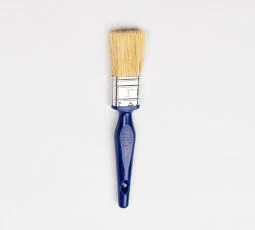
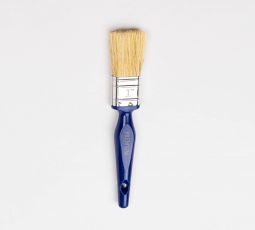 1 Inch Blue Paint Brush (101)
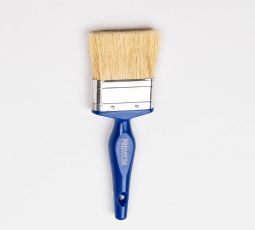 2 Inch Blue Handle Paint Brush (Premium)
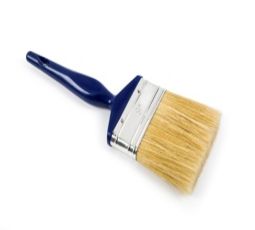 3 Inch Blue Handle Paint Brush (Premium)
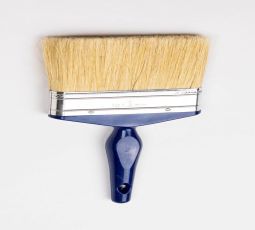 4 Inch Blue Handle Paint Brush (Premium)
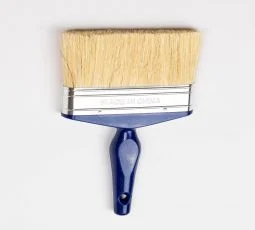
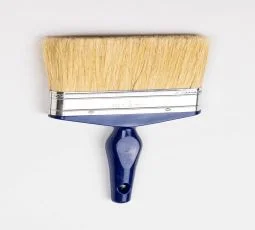
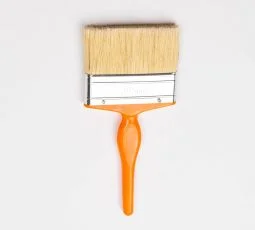
 Painting & Decoration Tools