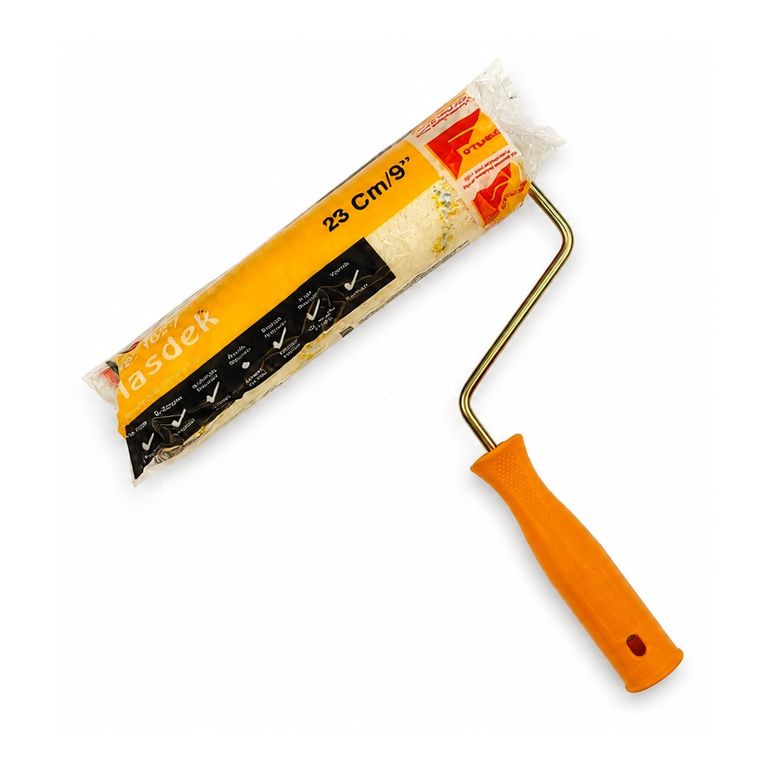
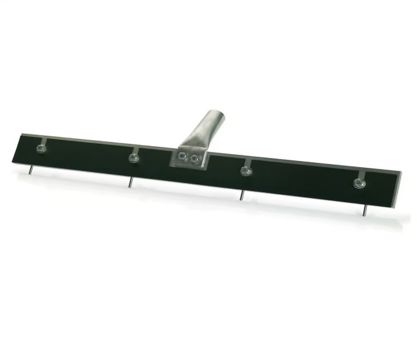
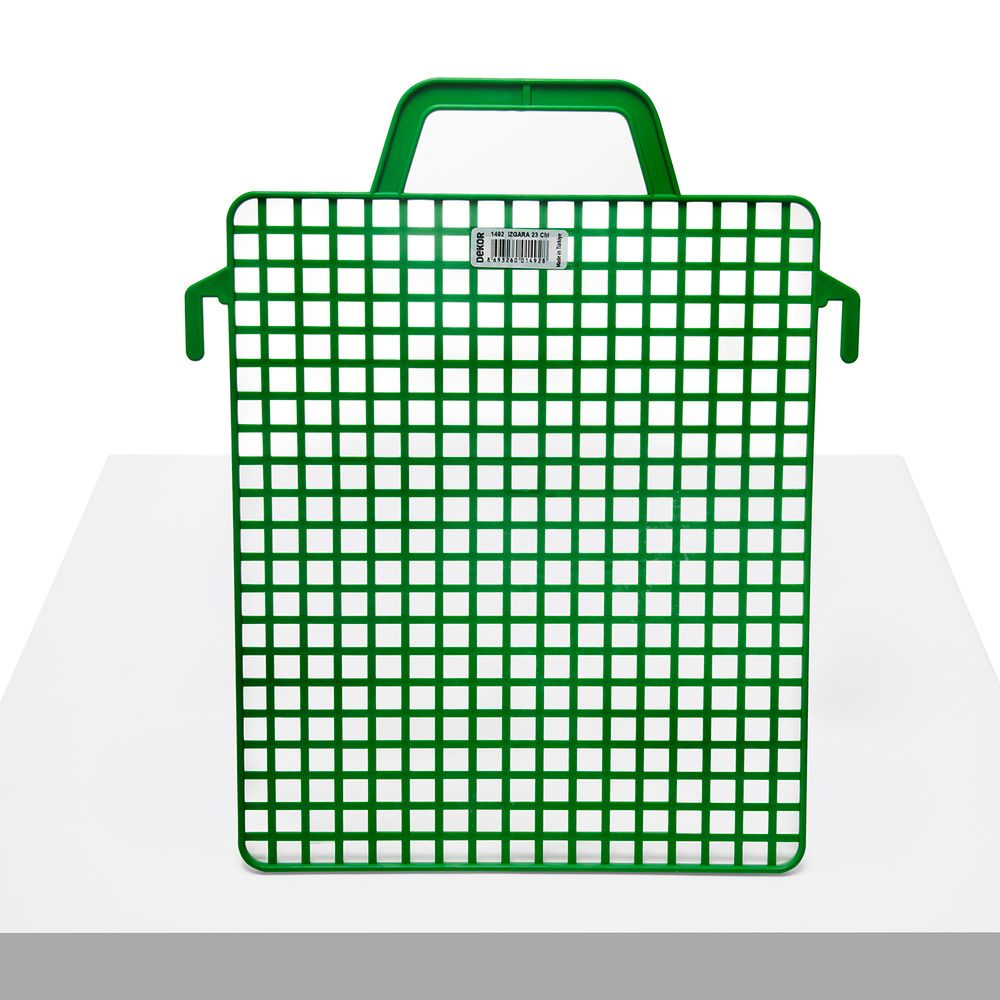
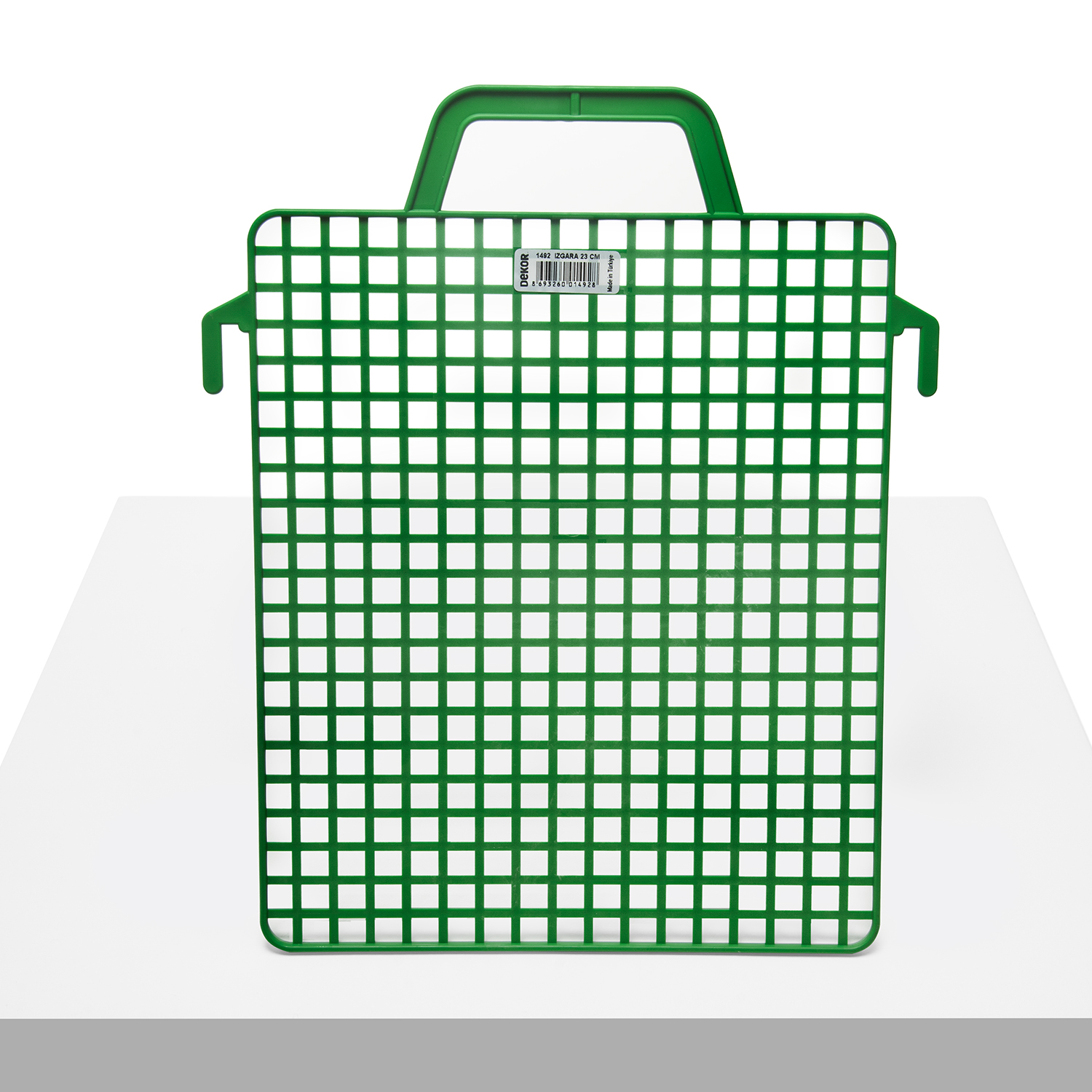
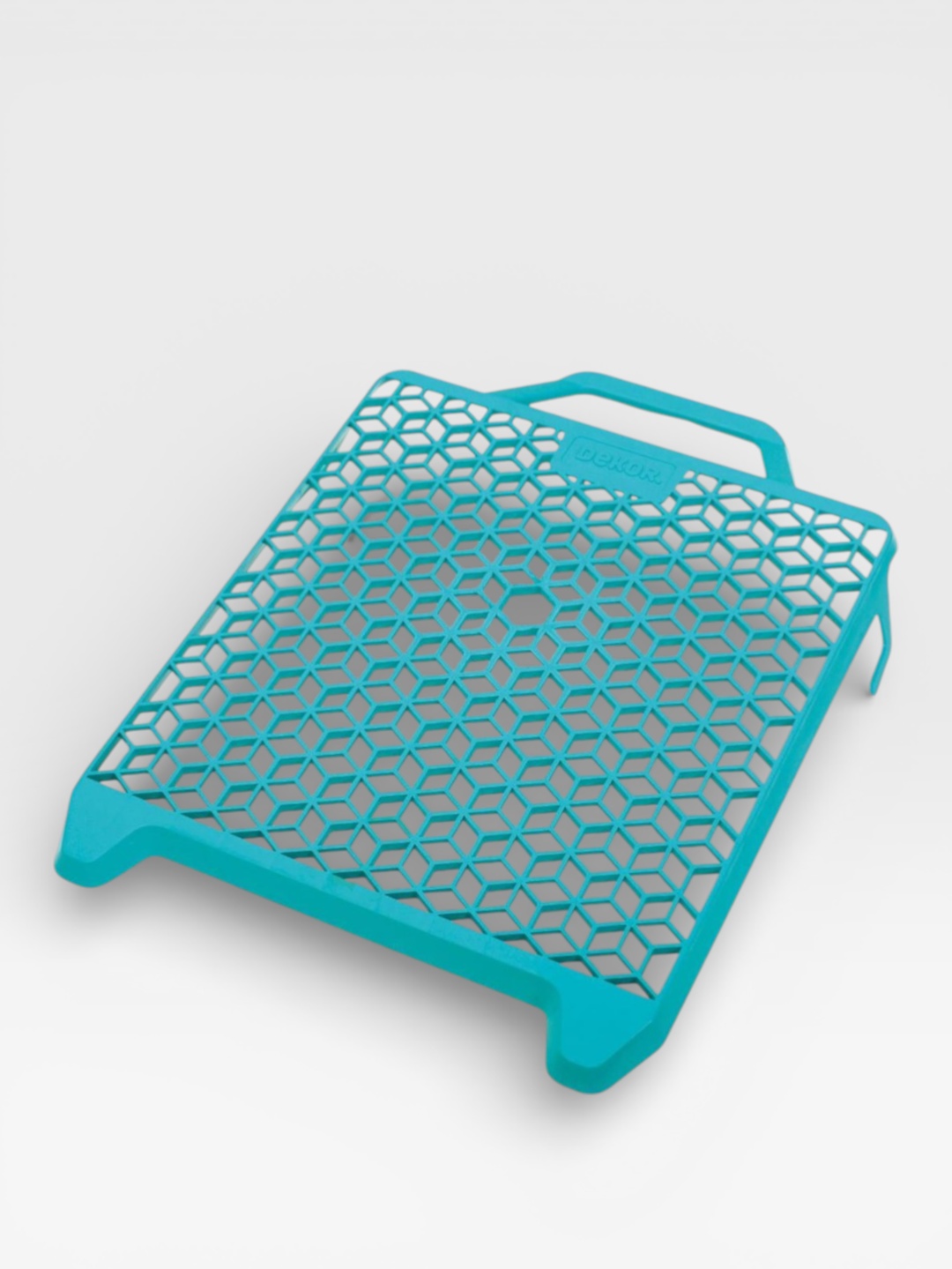
A paint roller bucket grid distributes coating across the roller cover and helps remove excess paint back into the bucket. MBMC lists Dekor 1492 and 1185 separately; compare the actual grid dimensions, bucket fit and mounting method instead of assuming the higher model number is better.
This guide addresses a concrete shopping decision in Saudi Arabia using actual published MBMC products and their original catalogue photos. It does not assume accessories or performance figures not specified by the manufacturer.
What does a paint roller bucket grid do?
For excessive dripping, first check how much paint the cover holds and how it is worked against the grid. A grid cannot compensate for an unsuitable roller nap. Do not assume both Dekor models share the same dimensions or fit every bucket.
Compare the exact model and SKU on Zid before buying; catalogue codes alone do not establish product performance or accessory compatibility.
Measure the bucket opening and compare it with the real grid dimensions and hanging arrangement.
Ensure the grid sits securely without flexing or slipping under normal roller movement.
Load a sensible amount of paint according to the coating label while leaving room for runoff.
Roll across the grid a few times to distribute coating evenly rather than lifting a saturated sleeve.
Apply paint in controlled, overlapping strokes instead of forcing the roller to release every drop.
Clean the grid with a method compatible with the coating; do not allow hardened residue to obstruct it.
When this option makes sense
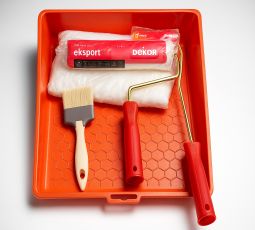
For larger walls, a stable bucket grid may help with repeated roller loading. For narrow trim and smaller rollers, an appropriate paint tray might be more convenient. Select based on bucket size, coating and workload rather than model code alone.
Mistakes to avoid
Buying a grid without checking bucket fit.
Using an unsuitable sleeve then blaming the grid for drips.
Working with an unstable grid that may slip.
Equating a higher model code with stronger performance without specification.



 Painting & Decoration Tools