Plastic Plastering Float vs Notched Trowel | Dekor Model 136
Plastic plastering float or 40 cm notched trowel: which should you buy? A plastic float may be considered for compatible spreading and levelling tasks, while a notched trowel is designed to distribute certain materials using its toothed edge. Neither is universally interchangeable across render, tile adhesive and epoxy systems. Choose by substrate, compound and manufacturer instructions rather than price alone.
Terms such as trowel, float, plastering blade and notched spreader refer to different application and finishing tools. The actual work surface, tool dimensions, material and shape matter more than the generic name. A smooth float and a notched spreader are not necessarily substitutes.
Always check the applicable render, adhesive or flooring-system specification. A product suitable for epoxy distribution may not be the right tool for smoothing conventional plaster.
Plastic float versus notched trowel: buying comparison
Characteristic
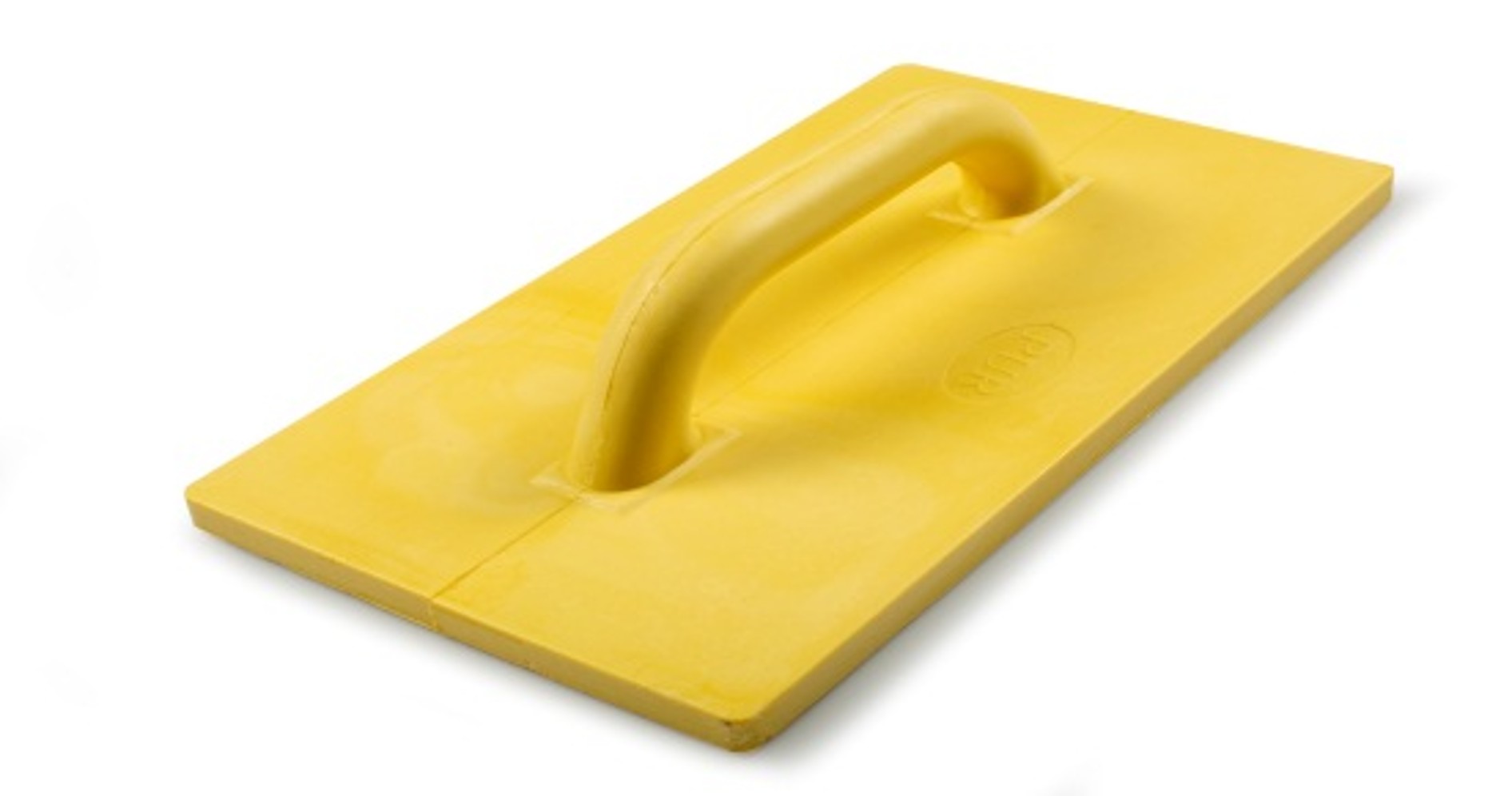
Plastic float
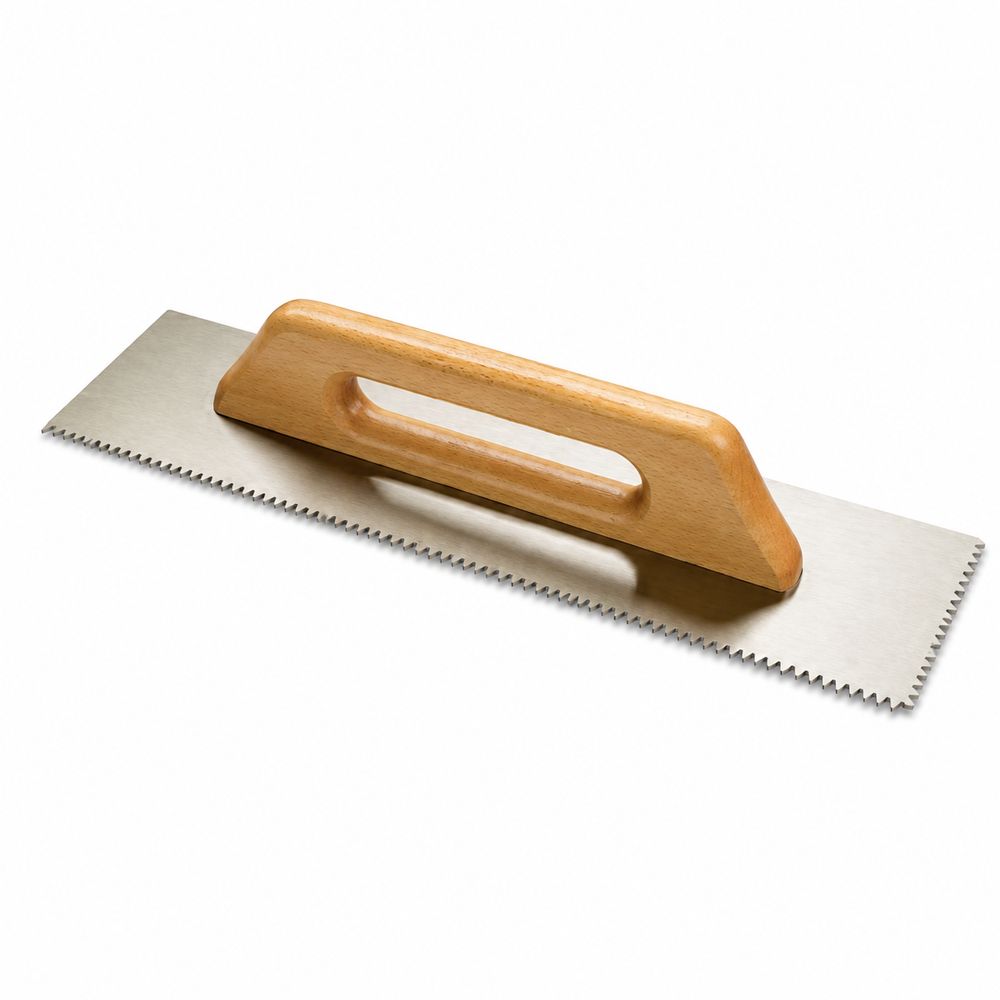
Dekor notched trowel
Listed size
18×32 cm
40 cm
Listed material
Plastic
Stainless steel, wooden handle
Shape
Plastic float
Notched spreading edge
What to verify
Compound and substrate compatibility
Notch geometry, compound and layer thickness
Verified MBMC SKU
TL2-A12002
TL1-D01071
These are catalogue specifications rather than independent performance testing, and neither tool can be recommended for every compound.
The listed product dimensions are 18×32 cm, with plastic named as the tool material. Do not assume it is approved for every solvent-based coating or specialist flooring compound. Confirm the manufacturer's substrate, compound and cleaning requirements before use.
For levelling or smoothing, the desired finish, working time and plaster or filler chemistry can change which float is appropriate.
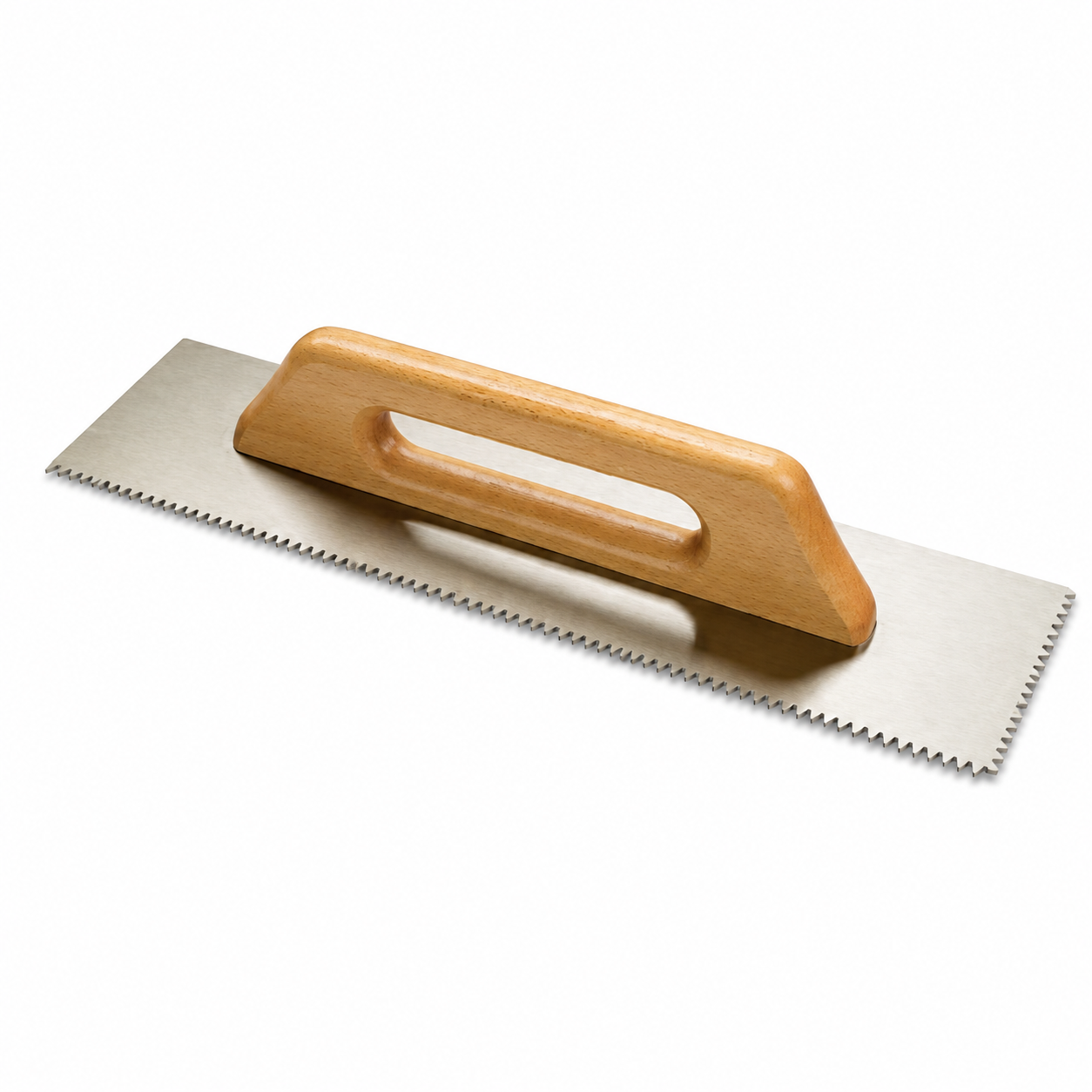
MBMC's listing identifies Dekor brand, model 136, 40 cm width, stainless steel material and a wooden handle. It discusses compatible epoxy, resin, floor and adhesive application tasks. However, 40 cm overall width does not tell you the notch size or exact final film thickness. Those details require the product's technical specification and the flooring manufacturer's guidance.
Flooring systems may instead call for another trowel, gauge rake or spreader. Do not extrapolate universal compatibility from the word “epoxy” in the product name.
Can a notched trowel be used for ceramic tile adhesive?
Some tile adhesives require a notched trowel selected for tile format, substrate and the adhesive manufacturer's recommended notch geometry. Do not assume a 40 cm blade means the notches work with all 60×60 or 60×120 tiles. Check the exact notch and coverage requirement first.
Ask what you need to do: smooth a compound or distribute a controlled bed of material? What are the substrate condition, expected finish, layer thickness and workable time? Is the selected tool material chemically compatible?
Door delivery is available subject to checkout carrier coverage for your Saudi address. For warehouse pickup in Riyadh, Jeddah or Khamis Mushait, complete checkout first, then message MBMC on WhatsApp to coordinate collection subject to local warehouse stock.
Frequently asked questions
What's the difference between a plastic float and a notched trowel?
Plastic describes one tool's material, while notched describes its spreading edge. Suitability depends on the particular compound and substrate.
Does 40 cm blade width mean large notches?
No. Notch size and pattern need to be confirmed separately.
Does Dekor model 136 work with all epoxies?
Do not assume so. Follow the flooring compound manufacturer's specified applicator and film thickness.
Can I use a notched spreader for ceramic tile adhesive?
Some adhesives require specific notch geometry. Confirm the model's teeth and the adhesive manufacturer's requirements.
What is the listed size of the German plastic float?
18×32 cm, SKU TL2-A12002.
Where can I buy plastering floats in Saudi Arabia?
Choose a trowel based on work requirements and real specifications, not an unsupported “best” claim. The plastic float 18×32 cm and Dekor notched 40 cm trowel differ in construction and application. Confirm compatibility with the material before buying.



 Construction & Finishing Tools