Quick answer: Porcelain can crack away from the cut line when scoring is inconsistent, the scoring wheel is unsuitable, excessive or uneven breaking force is applied, or the tile is not properly supported. Narrow strips may require another cutting method. Select a cutter matching tile size and thickness, then score and break according to the manufacturer's instructions.
Porcelain Tile Cutting Problems: Causes and Fixes
Symptom | Likely cause | Fix |
|---|
Break runs off the line | Uneven scoring or breaker pressure | Use a consistent score and proper breaker placement |
Chipped edge | Worn or mismatched scoring wheel | Select an approved wheel for the surface |
Crack near tile end | Insufficient support | Support the tile and apply even breaking force |
Narrow strip breaks | Cut outside manual cutter capability | Use suitable nippers or another approved method |
Tile scores but won't snap | Incorrect breaking setup or cutter capacity | Check thickness rating and breaker position |
Slanted cut | Loose tile or guide misalignment | Secure the tile and check the guide |
Repeated cracks in thick porcelain | Wrong cutter for material | Review tool capacity |
How to Choose a Manual Porcelain Tile Cutter
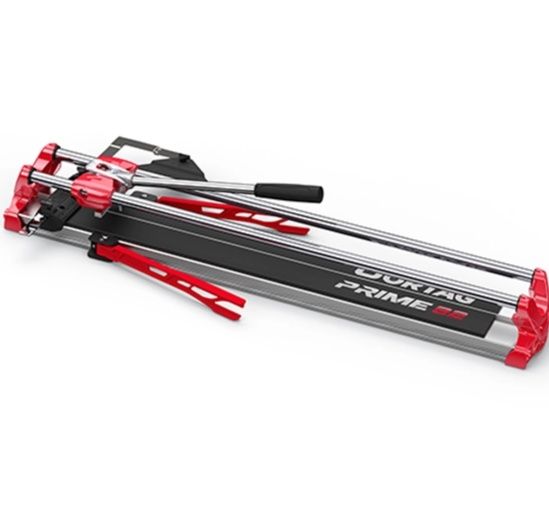
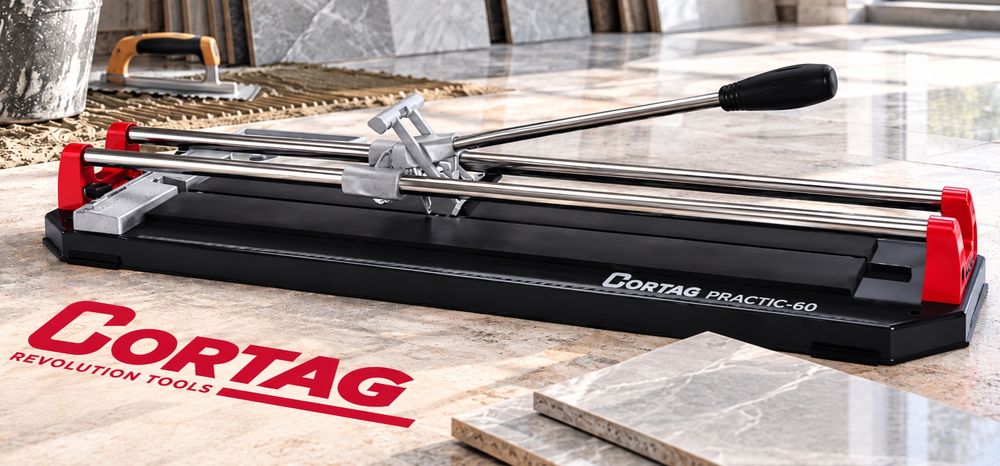
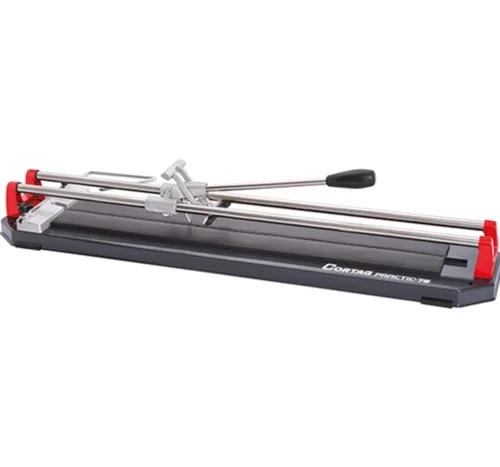
Compare maximum cutting length, supported thickness, breaker capacity and scoring wheel compatibility. A tool built for basic ceramic tile may not be suitable for every thick or large-format porcelain tile.
Does More Scoring Pressure Help?
Not always. RUBI recommends appropriate scoring wheel selection and steady breaking pressure rather than simply applying more force. Follow the procedure specified for the cutter model.
When Is an Electric Cutter Better?
Some notches, narrow cuts and specialized porcelain applications may be better handled with a suitable powered or wet tile cutter. Follow the equipment's safety, blade and dust-control requirements.
Seven Ways to Reduce Broken Tiles
- Check tile dimensions and cutter limits.
- Inspect and replace worn scoring wheels.
- Clean the cutting path.
- Mark and secure the tile.
- Score consistently as directed.
- Position the breaker and press evenly.
- Finish rough edges with compatible tools if required.
Which Scoring Wheel Should You Use?
Wheel recommendations vary with polished, textured and structured tile surfaces. Choose according to the tile and manufacturer's tool guidance, not diameter alone.
Common Mistakes
Avoid cutting tiles beyond the cutter's rating, unstable support, damaged scoring wheels, uncontrolled breaking pressure and narrow cuts unsuitable for the chosen tool.
Shop Porcelain Tile Cutters in Saudi Arabia
Explore ceramic and porcelain tile cutters and tile installation supplies at Al Mustaqbal Building Materials Store. Compare cutting length, thickness and wheel specifications before buying.
Frequently Asked Questions
Why does porcelain break outside the scored line?
Possible reasons include uneven scoring, unsuitable wheels, poor support or unbalanced breaking force.
Can a manual tile cutter cut porcelain?
Many can, subject to the exact tile and cutter's specifications.
Is a larger scoring wheel always better?
No. Match it to the tile surface and the tool's design.
How do I cut narrow porcelain strips?
Some narrow strips require tile nippers or a different cutting system.
Will pressing harder improve the cut?
Not necessarily. Excessive or misplaced pressure can cause uncontrolled breaks.
How can I minimize tile waste?
Test settings on sample tiles, ensure good support and use suitable equipment.
Conclusion
Good porcelain cuts depend on cutter compatibility, scoring wheel choice and controlled breaking. Browse tile cutters for your project.
Technical Reference
RUBI – Porcelain Tile Cutter.
Related Products




 Tiles & Ceramics