Quick answer: Choose a brush for doors, wood and corners based on surface width and paint formulation. Synthetic bristles commonly suit many water-based paints, while some natural or specialist bristles suit selected solvent-based coatings. Angled brushes can improve control around trim and corners.
Paint Brush Size Guide
Size | Potential use |
|---|
1 inch | Small trim and detailed areas |
1.5–2 inches | Door frames and corners |
2.5 inches | Medium trim and door edges |
3 inches | Wider door panels and timber sections |
4 inches or more | Some broad surfaces, subject to coating |
Synthetic vs. Natural Bristles
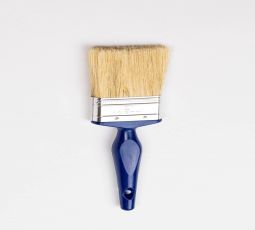
Nylon and polyester are common for many water-based coatings. Natural bristles can suit selected oil-based paints and varnishes. Always check the paint and brush manufacturers' compatibility guidance.
Angled vs. Flat Brushes for Doors
An angled sash brush can improve control where the frame meets a wall or around detailed trim. Flat brushes can be useful on selected flat panels. Brush shape is not a substitute for suitable surface preparation.
What Causes Brush Marks on Wood?
Marks may result from coarse or incompatible bristles, excess paint, overbrushing partially drying paint, or inadequate sanding and preparation.
How to Paint a Wooden Door with a Brush
- Protect hinges, glazing and floors.
- Clean and repair the wood; sand and prime as specified.
- Choose a compatible brush and width.
- Apply moderate paint loading to avoid runs.
- Use consistent strokes and follow coating recommendations.
- Respect drying and recoating intervals.
Common Mistakes
- Using a broad brush for detailed trim.
- Using the wrong bristle material for the coating.
- Painting over dust or rough surfaces.
- Overloading the brush with paint.
- Cleaning with incompatible solvents.
Shop Paint Brushes in Saudi Arabia
Browse paint brushes, masking tapes and sanding accessories at Al Mustaqbal Building Materials Store.
Frequently Asked Questions
Which paint brush is best for wooden doors?
A well-made brush of compatible bristles and appropriate width for the door panel and trim.
Are synthetic bristles best for water-based paint?
They commonly work well, but check specific compatibility.
What brush size works for corners?
A smaller angled brush, often around 1.5–2.5 inches depending on detail.
Why is my brush shedding hair?
Loose, worn or poorly constructed bristles may detach.
Can I use the same brush for varnish and water-based paint?
Only if approved for both coating types and cleaned correctly.
Conclusion
Choose brush width, shape and bristles for the coating and application. Explore paint brushes.
Related Products



 Painting & Decoration Tools