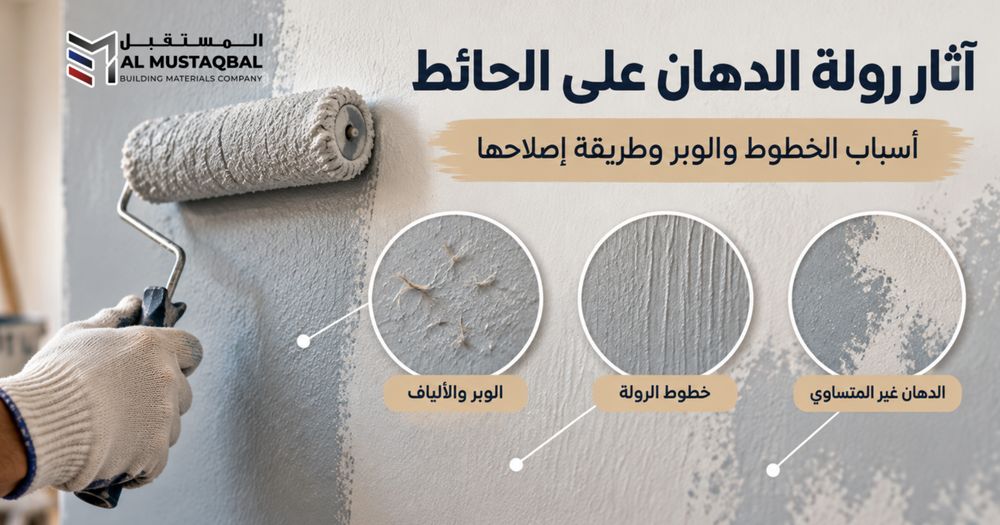
Why Does a Paint Roller Leave Marks and Lint?
Quick answer: Roller streaks often result from uneven pressure, an unsuitable roller nap, or rolling over paint that has started drying. Lint can come from damaged or shedding roller covers. Identify the defect, allow the coating to dry as instructed, and smooth raised imperfections before recoating where appropriate.
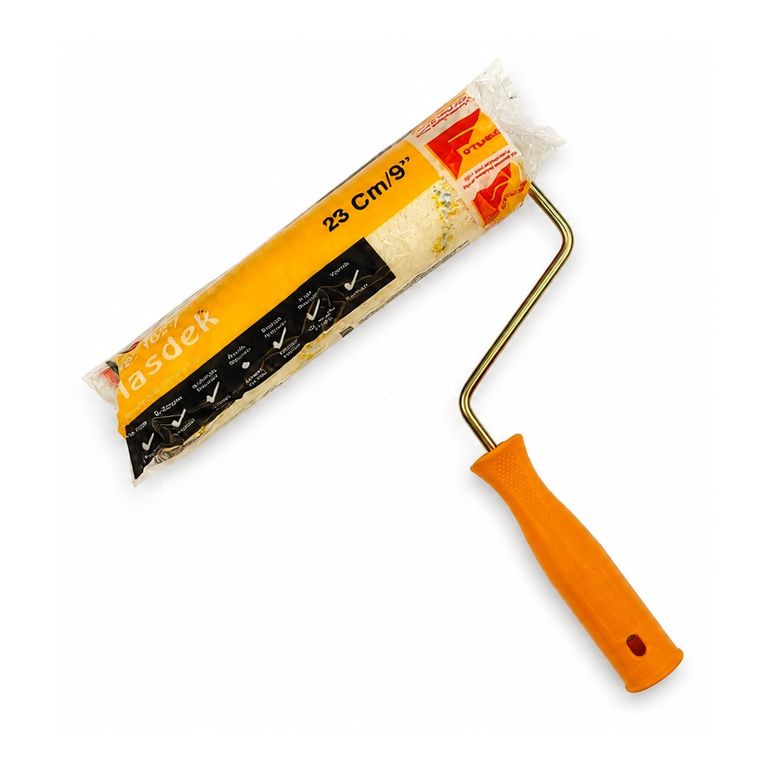
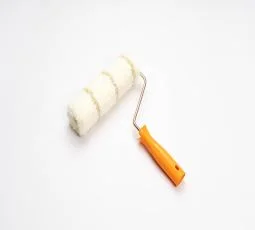
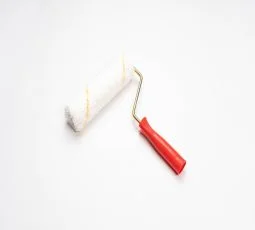
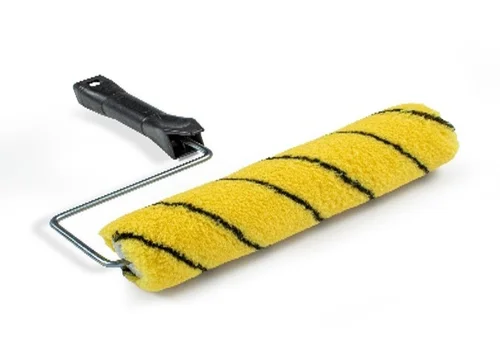
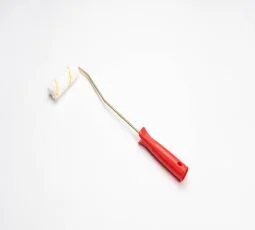
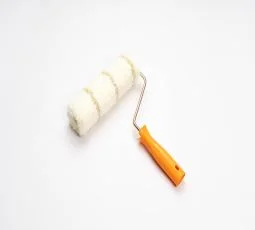
Preventing roller marks starts with selection: Compare 4-inch and 9-inch paint rollers, pile and coating compatibility before repainting to avoid repeating the same surface issues.
Visible marks do not necessarily mean the paint is defective. Roller cover quality, surface texture, preparation, application conditions and drying time all influence the finish.
Paint Roller Problems: Causes and Solutions
Problem | Possible cause | Action |
|---|
Vertical lines or roller edges | Excessive or uneven pressure | Spread paint evenly and correct raised defects after drying |
Uneven sheen | Lap marks or inconsistent thickness | Maintain a wet edge; repaint a continuous area if necessary |
Fibers embedded in paint | Damaged or shedding cover | Replace cover and address dried fibers appropriately |
Excessive texture | Incorrect nap or technique | Use a compatible cover and prepare the surface |
Bubbles or peeling | Surface, moisture or coating issues | Investigate root cause before repainting |
Splatter | Overloading or rolling too quickly | Reduce speed and control paint loading |
How to Fix Roller Marks After Drying
Allow appropriate drying time
Follow the coating manufacturer's drying and recoating instructions, accounting for temperature, humidity and ventilation.
Inspect under angled light
Distinguish raised ridges or trapped lint from color or sheen differences. Each requires a different repair.
Smooth raised defects when compatible
Some properly dried coating systems can be lightly sanded using a suitable abrasive. Avoid damaging the underlying coat and remove dust before painting.
Apply a uniform replacement coat
Use a compatible cover, even pressure and a wet edge. Large sheen differences may require repainting to natural wall boundaries rather than isolated spot repairs.
Why Does My Roller Leave Lint?
Loose cover fibers may become embedded in wet paint. Inspect new covers for shedding, discard worn or hardened covers and match material to the paint. Some water-based paint roller covers can be lightly dampened and drained if the manufacturer recommends it; this is not a universal procedure for oil-based coatings.
Which Roller Nap Length Is Right?
Surface | Approximate nap | Note |
|---|
Very smooth, selected glossy finishes | 1/4 in (6 mm) | May reduce visible texture when compatible |
Smooth or lightly textured walls | 3/8 in (10 mm) | Common starting point for interior coatings |
Medium-textured walls | 1/2 in (12–13 mm) | Better reach into surface irregularities |
Rough or heavy texture | 3/4 in (19 mm) or more | Check manufacturer recommendations |
These are guidance ranges, not universal specifications. Paint formulation and recommended film thickness may change the right choice.
Microfiber or Polyester Roller Covers?
High-quality microfiber can offer useful paint pickup and release, while synthetic materials including polyester are used for many water-based coatings. Neither material is automatically lint-free or suited to every coating. Prioritize compatibility, nap and construction quality.
How to Paint Without Roller Streaks
- Clean and repair the wall; prime where required.
- Inspect the roller for loose fibers or hardened residue.
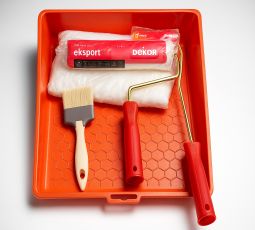
- Load evenly with a paint tray or roller grid.
- Work manageable sections without pressing too hard.
- Maintain a wet edge and avoid overworking paint that is setting.
- Follow the specified recoating interval.
Painting Supplies to Consider
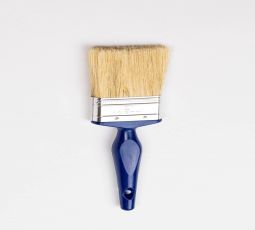
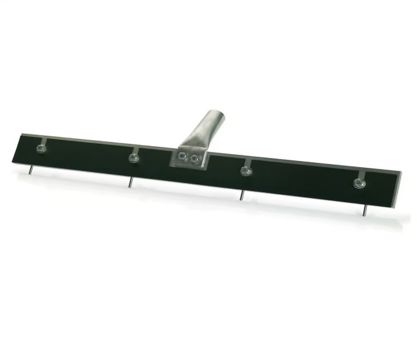
Choose a compatible roller cover, tray, edge brush, masking tape, and suitable sanding or putty tools for preparation. Browse paint rollers and painting tools at Al Mustaqbal Building Materials Store. Check availability and specifications before ordering.
Frequently Asked Questions
Why are there lines after roller painting?
Uneven pressure, poor loading, incorrect nap, or rerolling partially dried paint can leave visible marks.
Can roller marks be fixed without repainting an entire wall?
Sometimes small raised defects can be repaired locally, but broad color or sheen differences may require repainting a continuous area.
Why is my roller shedding hair?
Its cover may be worn, poorly made, or have loose fibers. Replace covers that continue shedding.
Should I wet a new roller?
Only if the cover and paint manufacturers recommend it. Some covers for water-based paints can be slightly dampened and drained.
What roller is best for smooth walls?
Short-to-medium nap covers often work, depending on the paint and desired finish.
Can you sand dried paint?
Some coating systems can be sanded once sufficiently dry or cured. Follow the technical data sheet and avoid damaging the surface.
Final Takeaway
A better finish starts with a compatible roller, proper surface preparation, even paint loading and a wet edge. Diagnose the type of defect before repair and explore paint roller options to choose the right tool.
Related Products



 Painting & Decoration Tools